Community Acupuncture: Now taking appointments!

Understanding Battlefield Acupuncture: A Revolutionary Approach to Chronic Pain Management
3/17/20262 min read
Introduction to Battlefield Acupuncture
In 2001, acupuncturist and Air Force Colonel Dr. Richard Niemtzow began developing battlefield acupuncture in response to the urgent need for pain relief solutions in combat. As I learned in my auricular acupuncdture training, sometimes there was not enough morphine available in active battle and so this system of ear acupuncture was developed. Over time it became clear that it could be of benefit for chronic pain as well. Battlefield acupuncture is an innovative technique aimed at managing chronic pain without the use of opioids. This method has proven especially beneficial for those suffering from persistent pain conditions, providing a unique alternative that aligns with the growing concern over opioid dependency.
The Mechanism Behind Battlefield Acupuncture
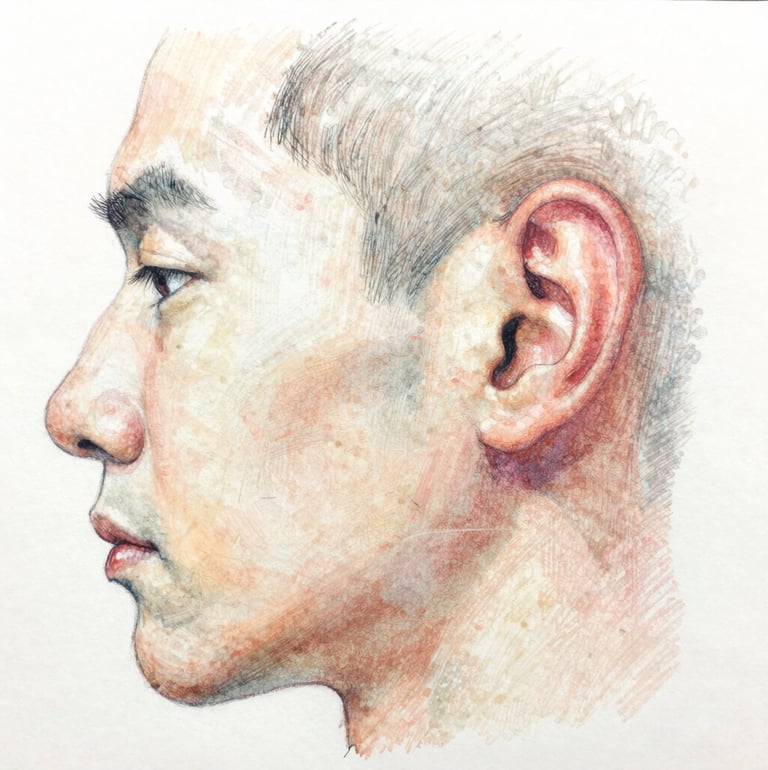
Battlefield acupuncture involves the placement of semi-permanent needles or magnets on specific points of the ear. These needles/seeds are designed to remain in place for several days. The theory behind this practice is that the human ear contains a kind of map of the body and that stimulating these point via acupuncture with a needle or via acupressure with a seed/ magnet can provide relief from pain and anxiety. In fact research has shown that these points do connect with specific areas of the brain. Treatment can be repeated every two weeks, making it a viable option for long-term management of chronic pain. (click on the underlined area to see the reference article)
Benefits and Limitations
While battlefield acupuncture offers a myriad of benefits for those coping with chronic pain, it is essential to acknowledge that this practice does not replace the extensive healing experienced during a full acupuncture session. Community acupuncture and private acupuncture sessions provide a more comprehensive approach to healing, addressing underlying issues and promoting overall well-being.
Battlefield acupuncture is ideal for quick relief and can be a great addition to an a pain management toolkit. Many people have found success with this method, experiencing less pain sensitivity and an improved quality of life without the adverse effects often associated with pharmaceutical pain relievers. Research shows that 80% of people feel some kind of relief after a treatment. (click on this to see the reference article)
Unfortunately in our conventional medicine landscape ,the options for treating chronic pain are limited. Many people cannot or prefer not to use pain medications. Acupuncture offers an effective alternative.
Conclusion
Medical Acupuncture
Dr. Farrell-Riley is a board-certified family physician with additional certification in integrated structural acupuncture. This type of acupuncture is especially helpful for treating pain related to muscle, nerve, and bone problems (such as muscle strains, spinal stenosis, and arthritis). However, with its focus on restoring balance to the body's natural healing systems, it can be of benefit for any condition.
This practice accepts Blue Cross Blue Shield insurance. Dr Farrell-Riley also provides a discounted rate for clients paying at the time of service.
CFR MEDICAL ACUPUNCTURE
Please enter your email below and you will be contacted to schedule your appointment. You can also call or text me directly.
294 Pleasant Street. Suite 201
Stoughton, MA 02072
508-565-8732
© 2024. All rights reserved.